Reiki is a Japanese relaxation technique, a form of subtle energy healing that reduces stress and promotes well-being.
How does it work?
A practitioner works with the energy field around a client's body by transferring universal, life-force energy, known as 'chi,' to the client via the palms. Several hand positions are held around the body for 3-5 minutes or longer for transfer to occur. Because Reiki energy is God-consciousness, the practitioner him or herself is not actually doing the healing, but merely acting as a channel for life force energy to be directed wherever the client may need it most.
What happens during a Reiki session?
The situation varies depending on whether the treatment is done in person or via distance. In person, the client either sits in a comfortable chair or lies on a massage table. Then the Reiki practitioner places his/her hands gently on or holds them just above specific areas along the client's body. This is done to transfer life-force energy to the client via the practitioner's palms.
For distance Reiki, life-force energy is sent to the client through intention, thought, and the use of Reiki symbols. Because everyone on the planet is made of energy, the Reiki practitioner is able to access the universal energy field everyone is connected to.
How will I feel during or after a Reiki treatment?
People respond differently to treatment. During a session, many people experience a sense of deep relaxation. Because of this, they end up falling asleep and may feel groggy afterward. In addition to an immense calmness, some people have reported feeling a warm, tingling sensation in certain areas of the body. Because Reiki continues to work days after a session, it is common to feel symptoms for up to a week following treatment. Some people have reported feeling great and energized, while others have reported feeling negative emotions as well as having old traumas and patterns re-emerge. These symptoms are the body's way of clearing blockages. They provide you with the opportunity to heal yourself of past hurts and outdated belief systems. When these symptoms occur, it is important not to suppress the negative emotion but to work through it.
Can Reiki affect me negatively?
No. It is a gentle transfer of healing energy from the practitioner's hands to the client and is suitable for anyone, including children and animals.
Can Reiki replace traditional medical therapy?
No. Reiki is an alternative form of therapy that complements medical treatments but is not intended to replace doctor-prescribed therapies.
How many Reiki treatments do I need?
One session is enough to see results, but four to six sessions are recommended. After the first treatment, a Reiki practitioner will let you know how best to space out the other sessions. The effects of Reiki are cumulative, which means regular treatments can provide longer-lasting benefits and improve individual health.
What is the difference between Reiki and Laying on of the Hands?
Both are practices that fall under the category of light touch therapy. In Reiki, a practitioner accesses universal, life-force energy that is present in all things in order to bring balance to the body whereas in Laying on of the Hands, a practitioner uses prayer to access the divine healing power and Grace of Jesus Christ or another deity. Reiki practitioners believe that improving the flow of energy around the body helps in healing and releasing negative energy whilst the latter believes that healing may or may not occur and is at the sole discretion of the divine power. In addition, a Reiki practitioner goes through a series of attunements by a Reiki Master in order to establish a closer connection to the universal, life-force energy or to a particular spiritual source before he or she is able to work with clients. In contrast, a Laying-on-of-the-Hands practitioner does not consider themselves a conduit for healing as he or she calls on the power of the Holy Spirit during a treatment. which makes this practice more compatible with those people who hold religious beliefs and prefer a more faith-based approach to therapy.
''My mission is to help awakening souls and nervous wrecks lessen the charge of old pain and suffer less.'' - Mara
Shadow Work
"Bringing the unconscious mind to our conscious awareness."
- Caraballo and Swart
the shadow self
The parts of your personality that you reject, ignore, or hide from yourself usually without knowing it.
We all have one.
Repressed
These 'unlikeable' aspects of yourself are part of you, but you don't want to see them because they are too painful or shameful to look at.
We deny that they exist.
CONTROLLED
Your shadow self controls your behaviors whether you want it to or not, which is why it's very liberating to work through your triggers and negative emotions.
We go over to the 'dark' side to heal ourselves.
What happens in a shadow work session?
In a session, we hold space for negative thoughts and emotions to be healed through non-judgment,
self-acceptance, self-forgiveness, and compassion.
One can achieve results in a single session, but it usually takes many sessions to see a significant improvement in one's circumstances. It all depends on the particular issues one has and the willingness to work through limiting beliefs and negative patterns.
What are the benefits?
The purpose of self-reflective healing and shadow work is to understand oneself better, relieve suffering, regulate one's emotions, improve interpersonal relationships, change one's perspective on a particular problem, and create space to change any situation for the better. As a result, one experiences immense personal and spiritual growth.
Is shadow work for everyone?
Shadow work is not for everyone. It is for those
people who are open to adopting a new mindset in order to be healed.
Self-reflection means examining the self and seeing with greater clarity how we
have caused our own suffering. This is a striking realization for people who
have not yet ''awakened,'' which can cause immense resistance because the
individual may still be strongly attached to their own stories, overly
identified with past experiences, or have a victim-centered mentality. Although
self-reflection/shadow work can help in these situations, the person in inquiry may not be
ready to face a painful experience, challenge their beliefs, or be willing to
forgive others in the process, making self-examination, at this point in their
life, futile.
Besides shadow work, what are some other examples of self-reflective healing?
Methods of self-reflection that can lead to healing include shadow work,
meditation, journaling, traditional therapy, energy healing, paying attention
to triggers, inner child work, self-inquiry, simply asking yourself questions, Byron Katie's The Work, using divination tools such as the
tarot and astrology, as well as many other contemplative practices.
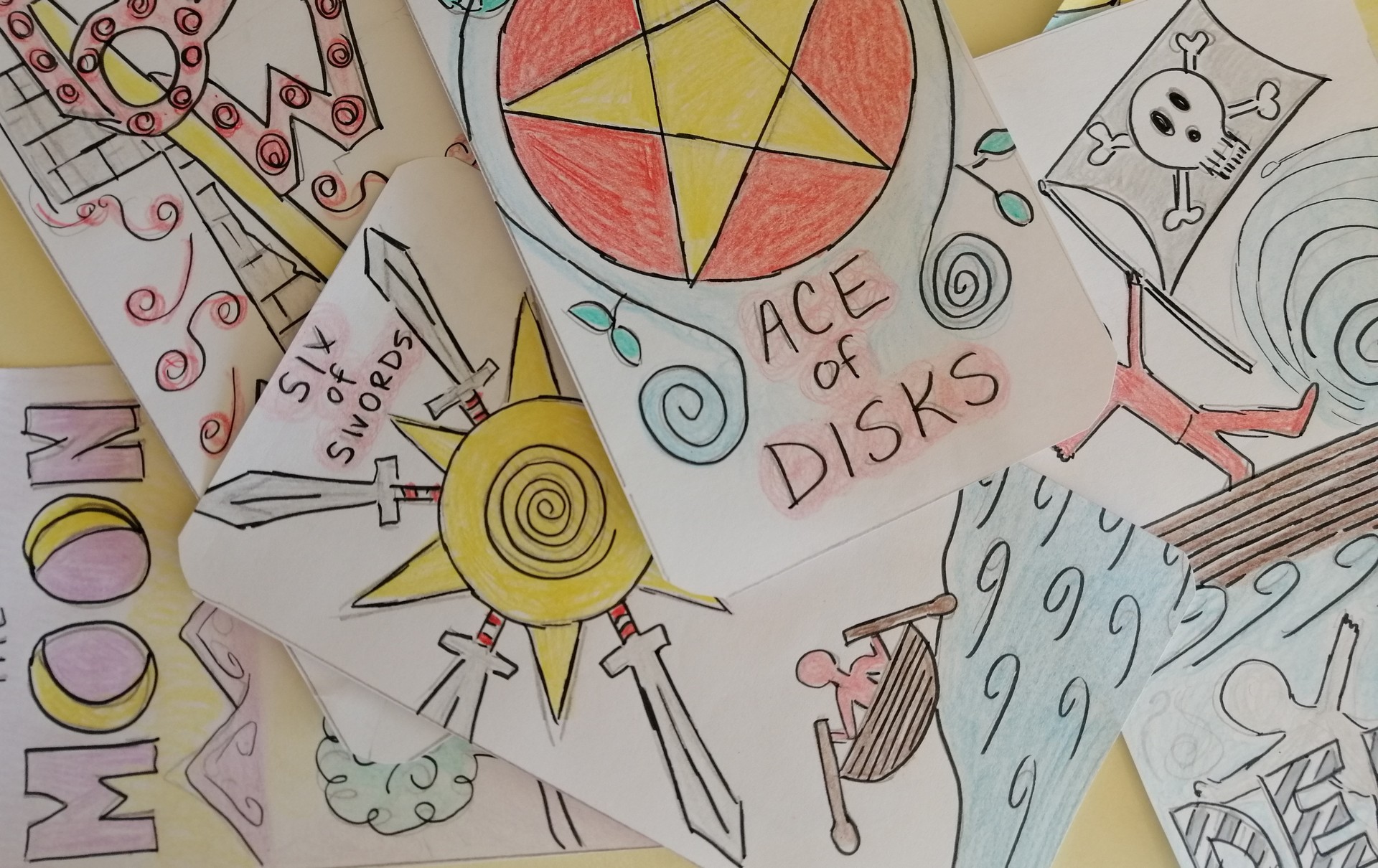
THE TAROT FOR SPIRITUAL EVOLUTION
What is an energy reading?
The tarot works with your personal energy field by picking up on your current state of consciousness as the cards are being shuffled. It is a present-moment reflection of your emotions, attitude, and thinking about a particular problem or relationship dynamic. It reveals what you believe to be true at that particular moment in time, and not what is actually true. Tarot cards are merely an interpretation of your story in visual form. They can enlighten the querent on how they are currently feeling, behaving, or seeing the situation at hand, but it is up to the querent to decide what they will do with that information.
Although tarot readings can seem ''predictory,'' they are the perfect accompaniment to self-reflective healing and are designed for course correction and healing.
What can I expect from a tarot reading?
The tarot card reading is a collaborative conversation done one-on-one via Zoom, Google Meet, or in person and is in response to one or two questions or areas of interest. Mara begins shuffling and spreading the cards as soon as the session begins. She also uses other divination tools like Oracle cards and numerology to enhance her readings.